Room №1
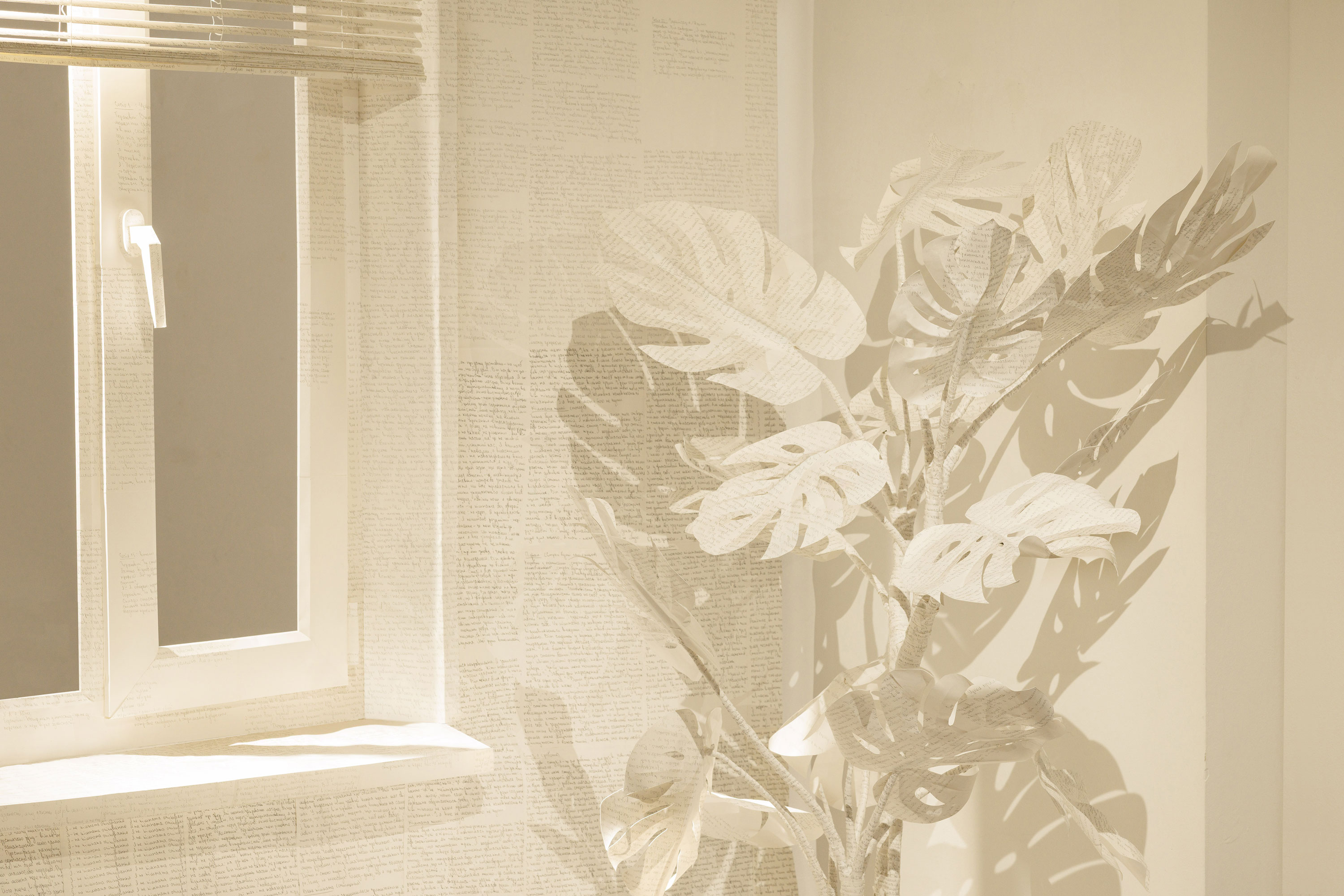
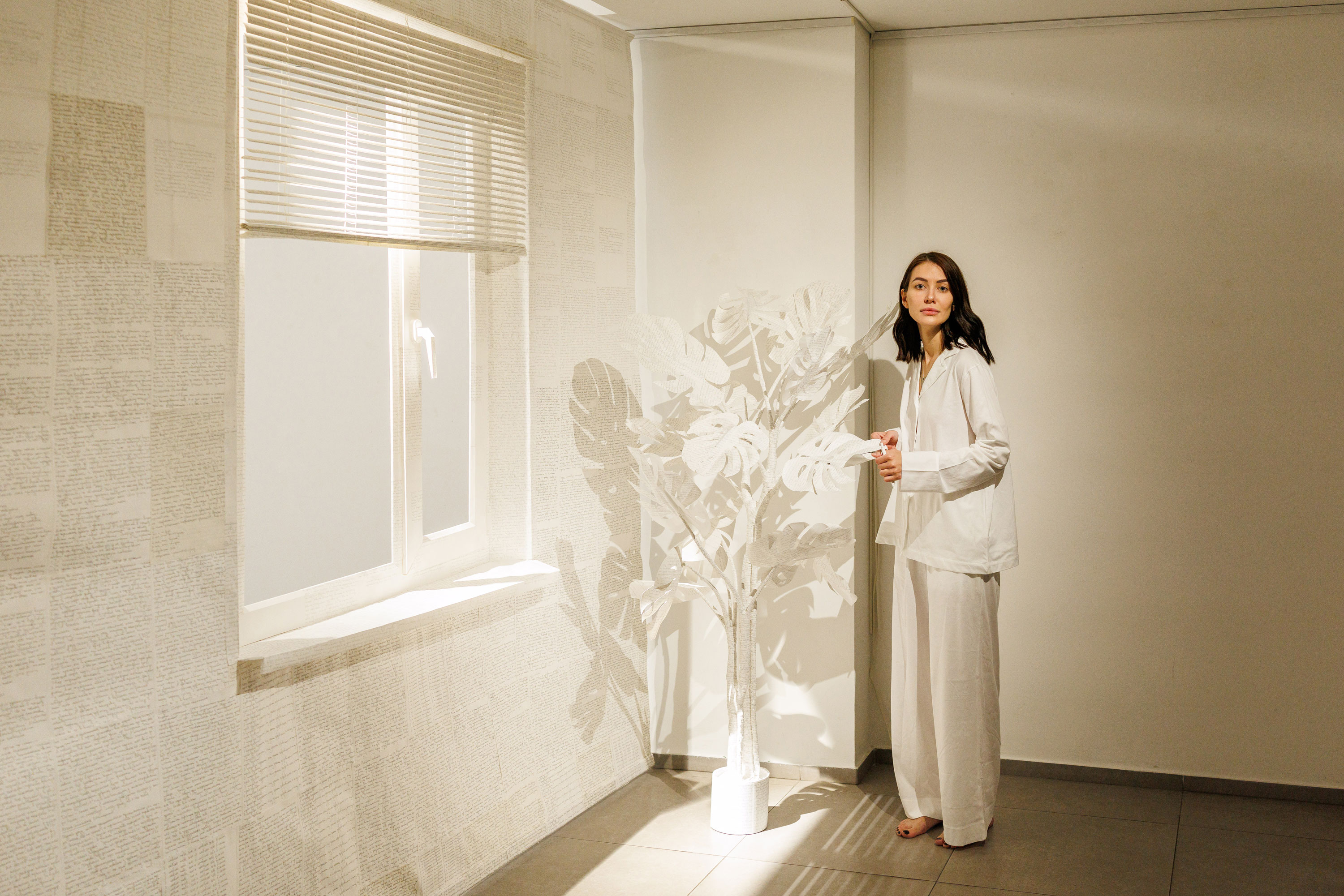
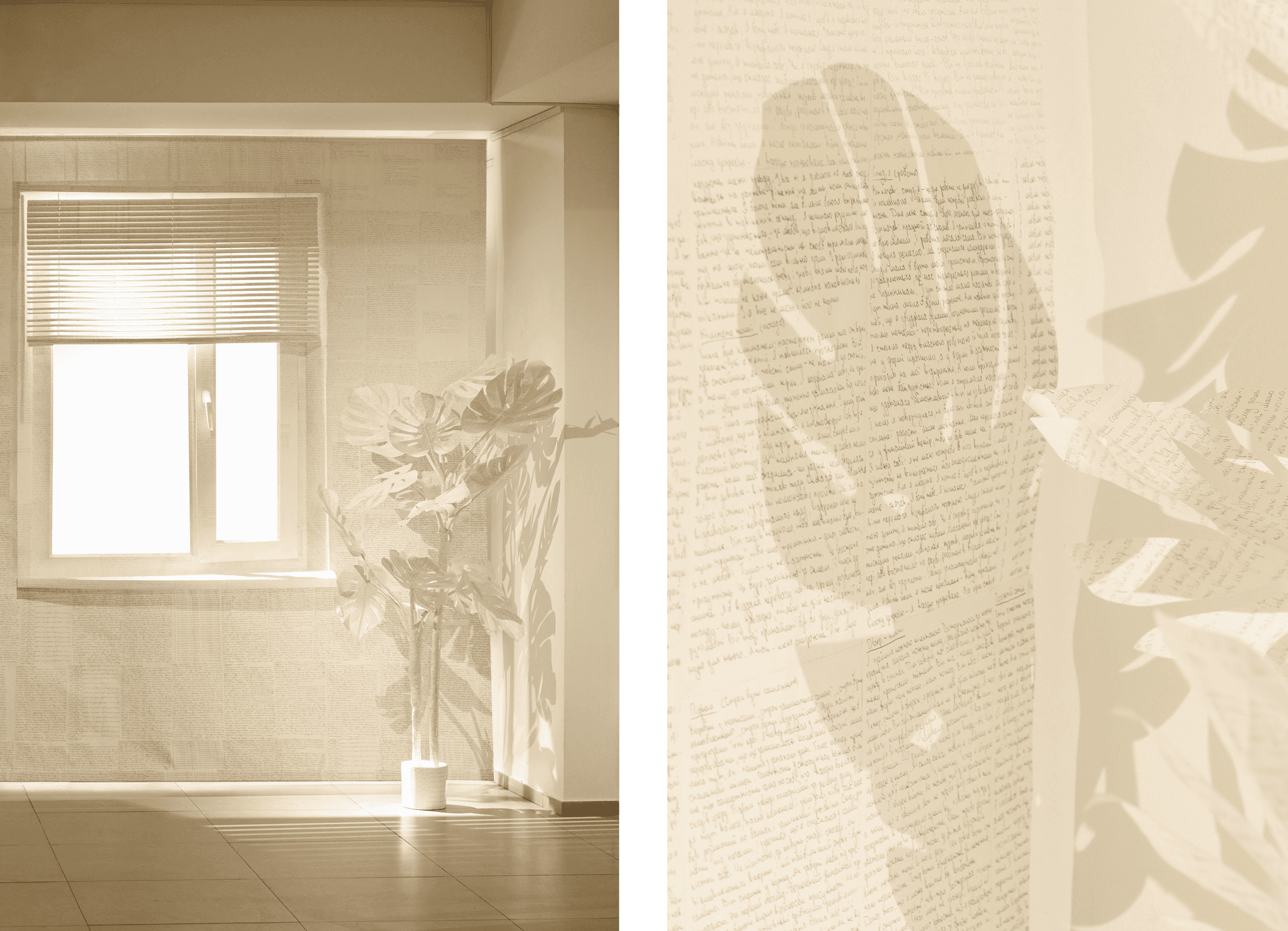
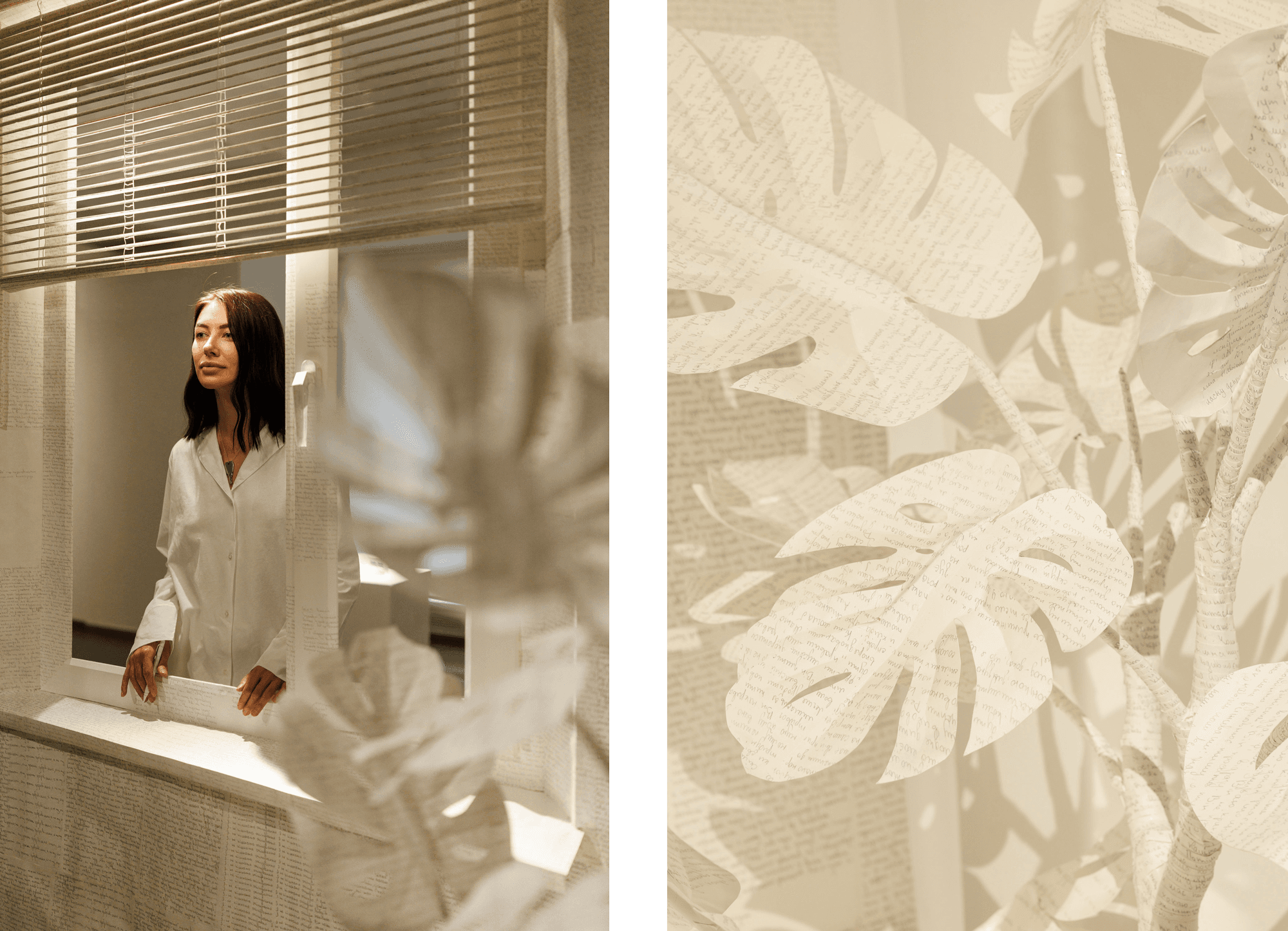
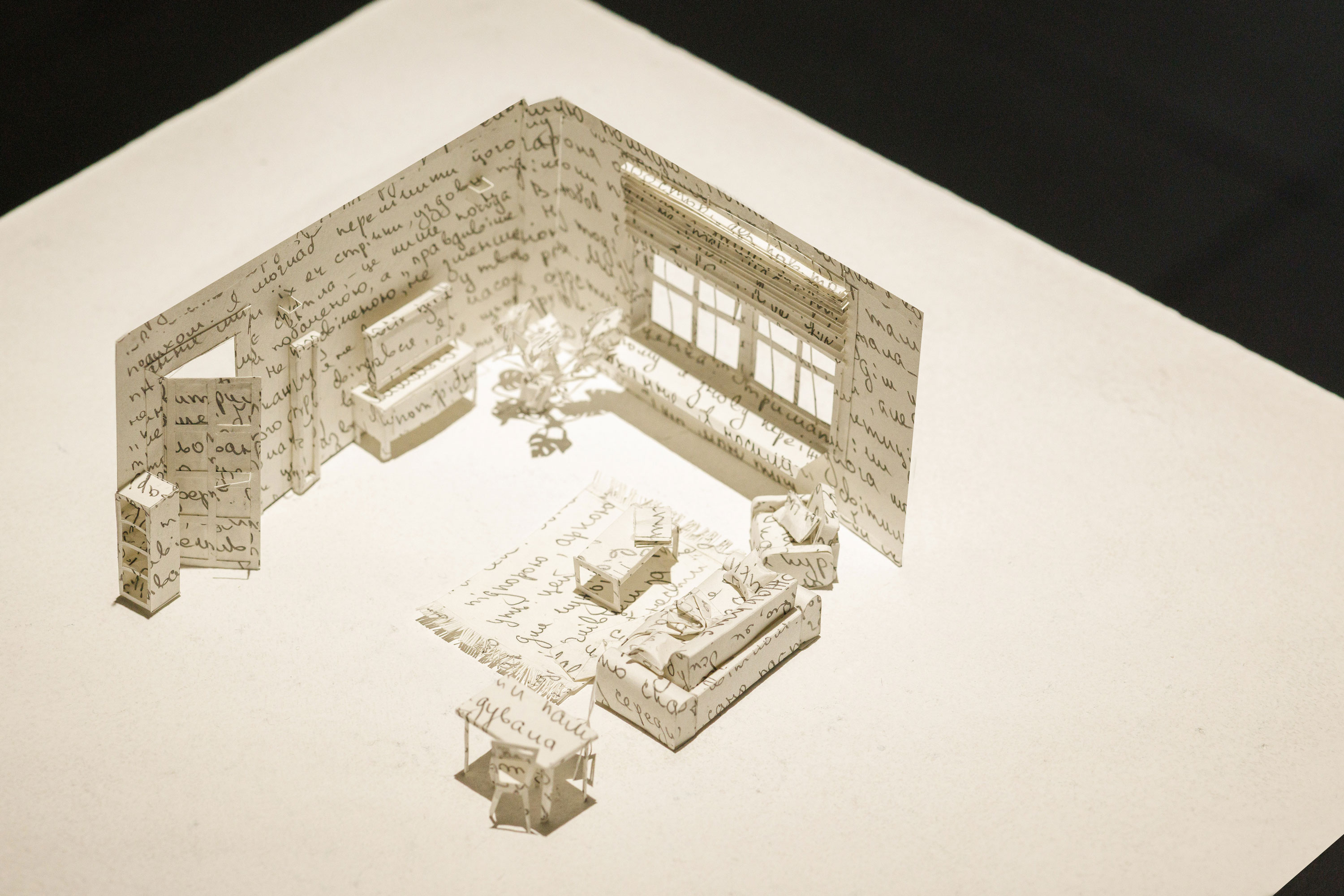
1:20 scale-model of a room
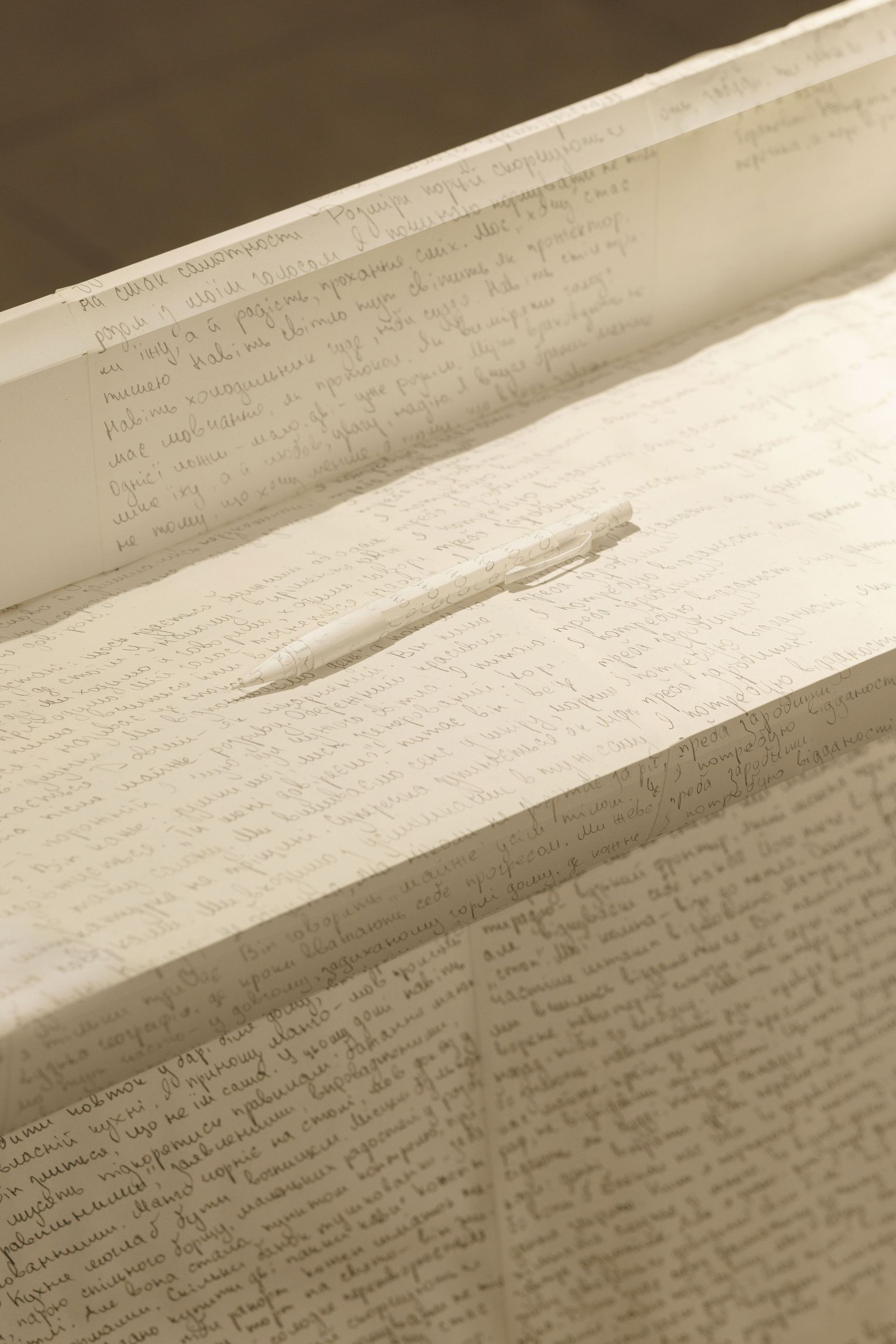
Room №1 began as raw journaling prescribed by a psychologist during my rehabilitation after escaping domestic violence. I had been diagnosed with anxious depression and asked to rest at home as much as possible. The home, instead of safety, became a trap — every object, texture, and surface carried memory. Over time, those diary notes grew into a poetic, fragmented novel: a work of therapy and survival, where the interiors of a home mirror psychological states.
Each chapter enters a different domestic space — walls, windows, corridors, bedroom, cellar, roof — where ordinary details reveal the weight of emotional cycles: walls carry blame, windows surveil, doors open only to ultimatums, a spoon or a ring hold entire histories of shame and care. Threaded between are therapy interludes naming gaslighting, financial neglect, sexual pressure, and abandonment in raw clinical terms. What emerges is both a diary of survival and a literary work of atmosphere and metaphor.
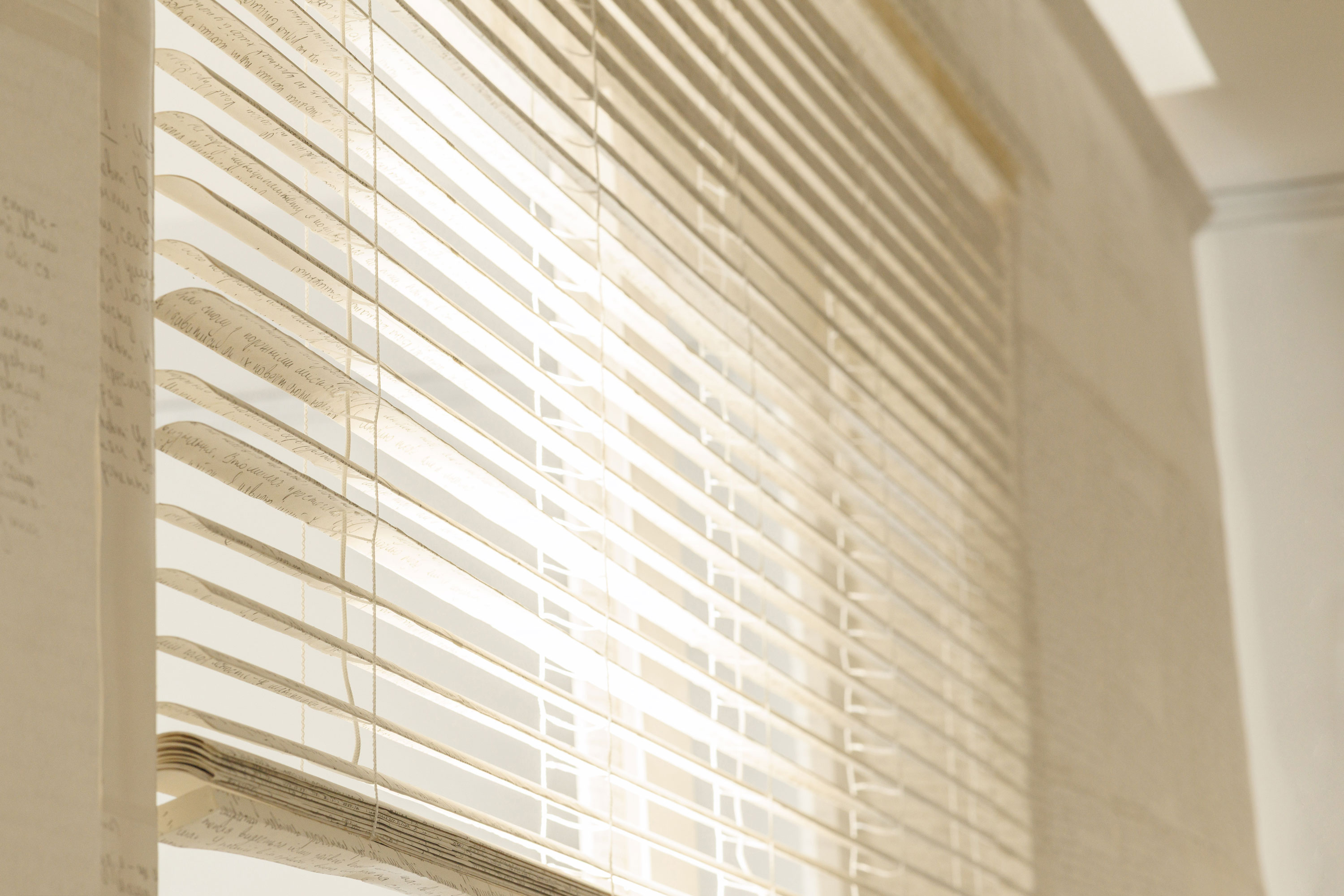
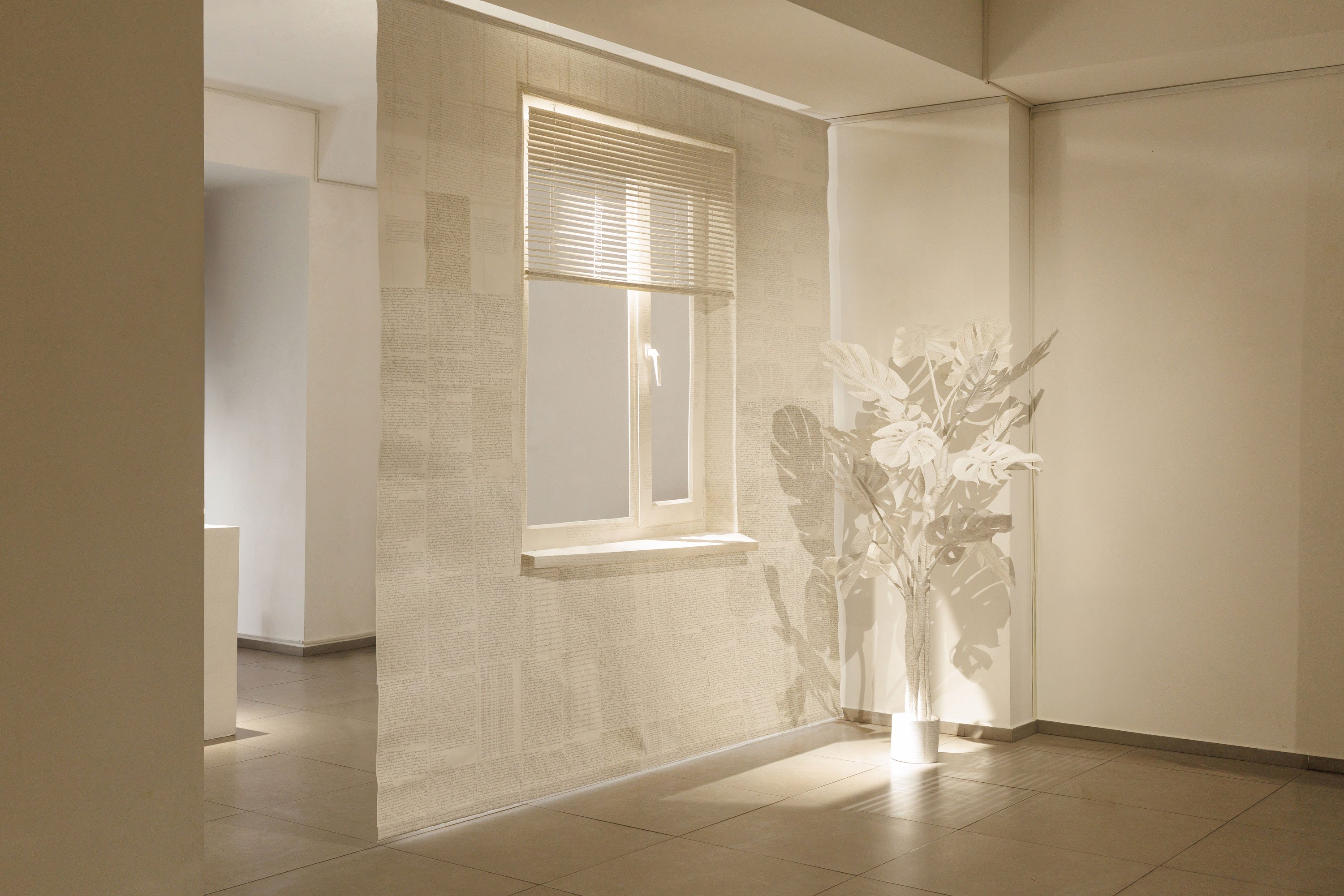
The installation Room №1 brings this experience into full scale. A 1:1 room is built entirely from the handwritten diary itself: a paper interior, as fragile as the feelings it contains, fragmented like memory, translucent like skin.
This work confronts the impossibility of beginning anew. Even on a blank page, we carry every page before it. Room №1 is not a reconstruction but a memory-room: an architecture of trauma and survival, where text becomes walls, the house becomes the body, and the body carries everything that was done to it.
If you or someone you know is experiencing domestic violence, get help now: 0800-2000
Project:
Daria Khozhai
Year:
2025
Curator:
Photography:
Special thanks to mental health institution